Antique Avalokiteshvara Thangka on Panel – 19th century
Couldn't load pickup availability
Avalokiteshvara – Ancient Thangka on Panel
A powerful and rare depiction of the four-armed Avalokiteshvara, also known as Chenrezig, the bodhisattva of compassion. This object combines a hand-painted Tibetan thangka with a wooden panel, giving the work a strong decorative and spiritual presence.
Product details
| Period: | ca. 1900 or older |
| Dimensions: | 61 cm (H) x 50.5 cm (W) |
| Weight: | 4.3 kg |
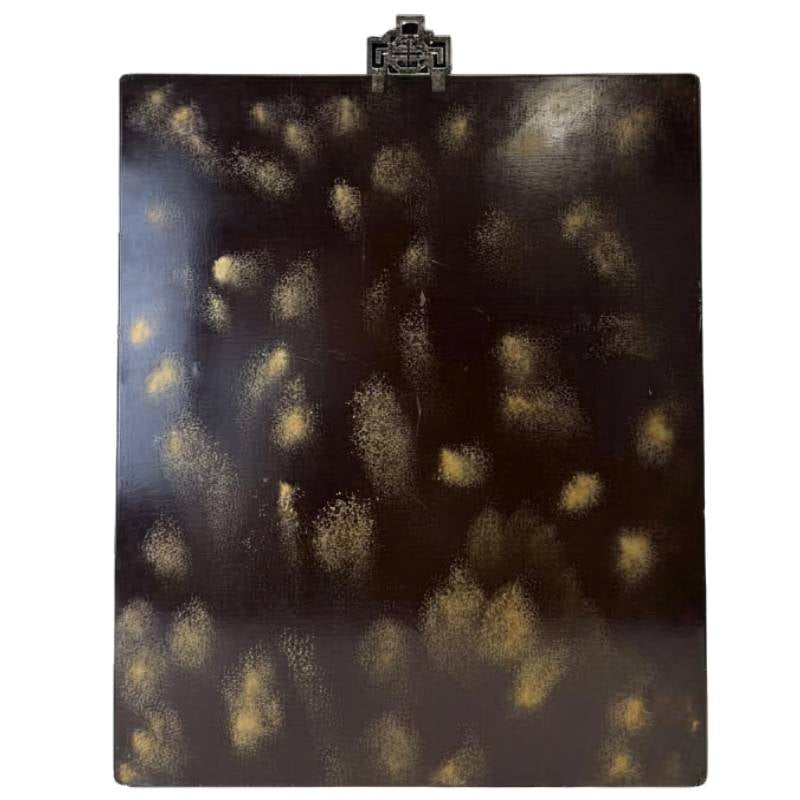
| Material: | Pigments on canvas, mounted on wooden panel |
Expertise & Condition
The painting shows clear signs of age, including fine craquelé, natural wear in the pigment layers, and visible manual paint build-up. Under magnification, multiple layers and irregularities are visible that are consistent with an authentic hand-painted work.
The canvas is firmly attached to the wooden support and finished as a panel. As a result, the object has acquired a stable, robust form and is immediately suitable for hanging. The surface texture has a characteristic, slightly sealed appearance, fitting for older mounted paintings.
Symbolicism
Avalokiteshvara is depicted here in his four-armed form, a symbol of compassion, protection, and spiritual presence. The central figure is surrounded by smaller deities and spiritual teachers, giving the composition a clear devotional function.
Transparency is central to 1stBuddha. We present this object as an old hand-painted thangka on canvas, mounted on a wooden panel. It is precisely this combination that makes the work visually powerful, decorative, and particularly suitable for an interior, practice space, or collection of Asian art.
Frequently asked questions about this thangka panel
Why is the thangka mounted on a wooden panel?
Mounting thangka paintings on a panel is common for objects intended for long-term use in interiors, home altars, or decorative arrangements. In some cases, this was done later to stabilize the painting and protect it better.
Is this an original thangka?
Yes, it is a hand-painted thangka on canvas. The current panel form makes the work more stable and gives it the appearance of an independent art object.
How do you recognize age in this type of work?
Age is visible in the craquelé of the paint layer, the natural wear of pigments, discoloration, and the build-up of multiple paint layers. These characteristics indicate an older, hand-painted object with natural signs of use and age.
How can this panel best be maintained?
Preferably hang the panel in a place without direct sunlight and with stable humidity. This helps preserve the condition of both the wood and the painting.